Tension Peaks: US Airmen Rescued in Daring Operation After Iran Downs Two Jets
ISFAHAN, IRAN – In a dramatic escalation of the ongoing conflict, the United States military has successfully completed a high-stakes search-and-rescue operation to recover a downed Air Force Colonel behind enemy lines. The mission, which President Trump has dubbed an “Easter Miracle,” follows the shoot-down of two U.S. combat aircraft by Iranian air defenses, a development that complicates the administration’s claims regarding the degradation of Iran’s military capabilities.
The Shoot-Down: A Test of Air Superiority
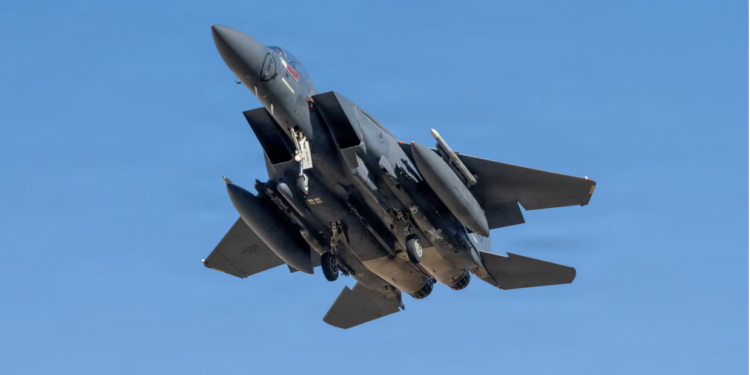
The crisis began overnight on Friday, April 3, when an F-15E Strike Eagle belonging to the 48th Fighter Wing was struck by Iranian fire over Isfahan. Images of the wreckage quickly surfaced on social media, marking what is believed to be the first American fixed-wing loss to enemy fire in this conflict.
Simultaneously, an A-10 Warthog was hit. Though the aircraft sustained terminal damage, the pilot managed to maneuver the rugged ground-attack plane into Kuwaiti airspace before ejecting safely.
A Tale of Two Rescues
While the A-10 pilot was recovered immediately, the fate of the F-15E crew was more precarious:
- The Pilot: Rescued seven hours after the crash by U.S. helicopters. The mission was fraught; rescuers came under small-arms fire, resulting in injuries to several crew members, though they returned to base safely.
- The Weapons Systems Officer (WSO): For 48 hours, the status of the second airman, a highly respected Colonel remained a mystery. While the Pentagon maintained radio silence to avoid tipping off Iranian forces, a massive “race to the find” was underway.
48 Hours on a Ridge: The Colonel’s Stand
Stranded on a 7,000-foot mountain ridge outside Isfahan, the injured Colonel evaded Iranian search parties for two days. Armed only with a sidearm and an encrypted radio, he maintained contact with U.S. command while MQ-9 Reaper drones patrolled overhead, striking Iranian units that closed within three kilometers of his position.
“This brave Warrior was behind enemy lines in the treacherous mountains of Iran, being hunted down by our enemies, who were getting closer and closer by the hour,” President Trump stated on Sunday.
CIA Deception and the Final Extraction
The rescue was bolstered by a CIA “ruse” designed to throw Iranian intelligence off the scent. Reports suggest the agency planted false data indicating the Colonel had already been smuggled out of the country via ground transport.
As the diversion took hold, U.S. Special Operations launched the final extraction:
- Insertion: Two MC-130J transport planes landed at an abandoned airfield near the Colonel’s location.
- The Setback: During the mission, the two transport planes reportedly became bogged down in mud or suffered technical malfunctions. To prevent the technology from falling into Iranian hands, U.S. forces intentionally destroyed both aircraft on the ground.
- The Exit: Three additional transport planes were utilized to successfully extract the Colonel and the rescue team.
Political and Military Fallout
The successful recovery has been met with celebration in Washington, but the incident raises uncomfortable questions about Iranian military strength. The Trump administration had previously suggested that Iranian air defenses were largely neutralized; however, the loss of two sophisticated airframes in 48 hours suggests a much more “contested” environment.
Tehran’s Response: Iranian military spokesperson Ebrahim Zolfaghari downplayed the American success, claiming the mission was “foiled” and highlighting the wreckage of the two U.S. transport planes and two Black Hawk helicopters as evidence of a botched American operation.
President Trump remains undeterred, posting to social media on Sunday afternoon: “WE GOT HIM! … The Iranians thought they had him, but it wasn’t even close.”