The Silent Chokepoint: How a Middle East Conflict is Paralyzing Asia
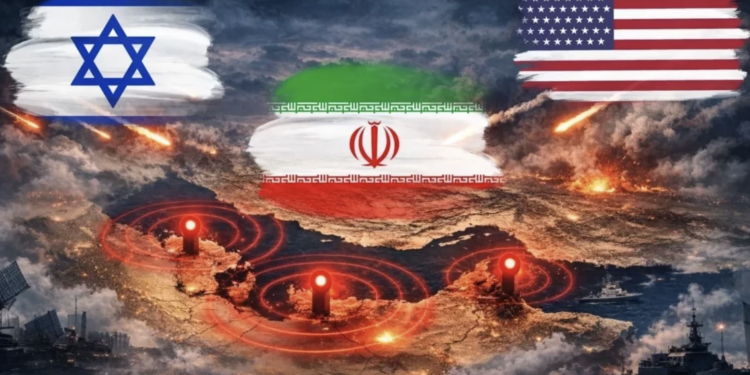
The effective closure of the Strait of Hormuz in late February following the outbreak of war between Iran, the US, and Israel has sent a seismic shock through the global economy. As the world watches the shuttered waterway, through which roughly 20% of the world’s oil passes, the geopolitical tension has transitioned from headlines into the grueling daily realities of billions of people across Asia.
While markets wobble and crude prices soar, the crisis is no longer just a matter of high-finance speculation. From the jeepney routes of Manila to the ceramic factories of Gujarat, the “energy’s juggernaut” has come to a grinding halt.
Asia on the Frontline
The geographical distance of the conflict is deceptive. Nearly 90% of the petroleum and gas that transits the Strait is bound for Asian shores. The resulting supply vacuum has forced governments into emergency “survival modes”:
- Mandatory Work-from-Home: Implemented to curb commuting fuel consumption.
- Truncated Work Weeks: National holidays declared specifically to keep cars off the road.
- Rationing & Hikes: Even giants like China have been forced to cushion a 20% jump in domestic fuel prices.
Philippines: A Threat to Livelihood
In the Philippines, the government has declared a national emergency. The crisis is most visible in the iconic jeepneys that navigate Manila’s streets.
“If this continues, it will definitely kill us and our family,” says Carlos Bragal Jr., a driver whose daily take-home pay has plummeted from 1,200 pesos to as little as 200 pesos.
With fuel subsidies covering only two days of driving, the ripple effect has reached the agricultural sector. In Bulacan, vegetable farmers have ceased planting, unable to afford the fuel required for irrigation and transport.
Thailand: The “No-Suit” Policy
In Bangkok, the crisis has altered even the dress code of public life. News anchors at Thai PBS have made the symbolic and practical choice to remove their signature blazers on air.
The government has issued directives to keep air conditioning strictly between 26-27°C and ordered all state agencies to work remotely. It is a stark reminder that in a fuel-starved economy, every degree of cooling is a luxury.
Sri Lanka & Myanmar: From Queues to Odd-Even Days
For Sri Lanka, the irony is bitter. Having just emerged from a 2022 financial collapse where they lacked the money for fuel, they now find themselves with the funds but no available supply.
- The “Public Holiday” Solution: Wednesdays are now non-working days to save energy.
- The Replacement Risk: Workers report losing their jobs because they are forced to spend entire workdays standing in fuel lines.
In Myanmar, the military authorities have reverted to alternate-day driving policies. For citizens, this has fractured social lives, turning simple dinner plans into logistical puzzles based on “even or odd” license plate dates.
India: The Gas Crisis Hits the Plate
As the world’s most populous nation, India’s dependency is profound: 90% of its LPG shipments pass through the Strait of Hormuz.
The Industrial Stall
In Gujarat, the world-renowned ceramics industry has been silenced. Without gas to fire the kilns, nearly 400,000 workers are in limbo. Migrant laborers, who form the backbone of this industry, now face the choice between hunger or returning to their villages.
The Kitchen Crisis
In Mumbai, the impact has moved from the factory to the dinner table:
- Restaurant Closures: Roughly 20% of eateries have partially or fully shut down.
- Menu Shrinkage: Foods requiring long cooking times have been purged from menus to conserve gas.
- The Cylinder Struggle: Long, anxious queues for cooking gas cylinders have become a common sight in urban centers.
Outlook: A Continent in Limbo
As the war enters its second month, the resilience of Asian economies is being tested to its absolute limit. While governments attempt to “calm the markets,” the reality for the person on the street, the driver, the waiter, the factory hand is that the Strait of Hormuz is not just a shipping lane; it is the artery of their existence. Until it reopens, the lights across Asia will continue to dim.