The Asymmetric Victory: Why Tehran is Winning a War It’s Losing
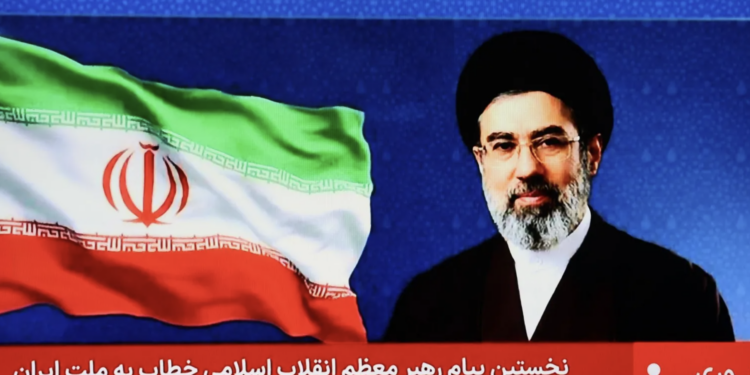
In the traditional theater of war, the Islamic Republic of Iran should be finished. Its conventional navy rests on the floor of the Persian Gulf, its air force has been reduced to smoldering scrap metal, and American and Israeli jets patrol its skies with virtual impunity. Even the leadership has been decapitated: the Supreme Leader was killed on day one, and his successor is either incapacitated or dead.
Yet, despite a hollowed-out military and a missing government, Tehran is winning.
The current conflict has exposed a fundamental misunderstanding of modern power. While U.S. President Donald Trump entered the fray assuming that the combined might of the world’s most advanced militaries would guarantee a quick “unconditional surrender,” he failed to account for the “aces” Iran has been holding face-up for decades.
The Four Aces of Iranian Strategy
Iran’s path to victory isn’t through dogfights or naval broadsides; it is through a relentless, asymmetric squeeze on the global jugular.
- The Hormuz Chokepoint: Iran has effectively closed the Strait of Hormuz. This narrow waterway handles 20% of the world’s oil and liquid natural gas. Currently, the U.S. military lacks the immediate capability to “uncork” this bottle.
- Economic Warfare: By halting the flow of energy, Iran has turned geography into a weapon. High global oil prices act as a direct tax on the American consumer and the world economy.
- The Drone Menace: Utilizing cheap drones and missiles, Iran can strike the oil infrastructure and desalination plants of the six Arab states across the Gulf. This creates a secondary chokepoint on energy and regional survival.
- The Clock: While the White House operates on a political stopwatch, Tehran operates on a multi-year calendar. The U.S. public has historically shown little patience for long, expensive “quagmires.”
The Presidential “Blink”
The disparity between rhetoric and reality became clear this week. After issuing a 48-hour ultimatum to destroy Iran’s power plants if the Strait remained closed, President Trump abruptly pivoted. On Monday, he claimed “excellent progress” was being made on a total resolution, effectively postponing his own deadline.
The Iranian response was telling. Speaker of Parliament Mohammad-Bagher Ghalibaf dismissed the claim as “fake news” intended to calm oil markets. The reality appears to be that the U.S. is now in the implausible position of asking Iran to stop. Washington has even gone so far as to “unsanction” Iranian oil in a desperate bid to lower prices, even as Iran continues to block the Gulf.
A Game of Mutually Assured Destruction
The conflict has devolved into a regional version of MAD (Mutually Assured Destruction):
- The U.S. Threat: “Open the Strait, or we annihilate your power grid.”
- The Iranian Counter: “Bomb our plants, and we will wreck the Gulf’s oil and water infrastructure, crashing the global economy.”
By pausing his ultimatum, President Trump effectively blinked. While this may have spared millions of civilians from immediate misery, it signals a shift in the driver’s seat.
“Starting the war was a mistake, but having started it, the landscape has been forever changed.”
The Danger of the “Victory” Declaration
The U.S. now faces a precarious fork in the road. There is a very real danger that the President, facing a rigid and unexpected obstacle, will simply “declare victory” and walk away. However, simply downing tools without a strategic resolution would compound the initial error of entering the conflict.
To navigate this, Washington requires a level of patience and diplomatic wisdom that has been notably absent. Without it, the “strongest military in the world” may find itself tactically superior but strategically defeated by a ghost government and a fleet of cheap drones.