Carney Navigates Global Turbulence: Support for Iran Strikes Coupled with Diplomatic Outreach to India
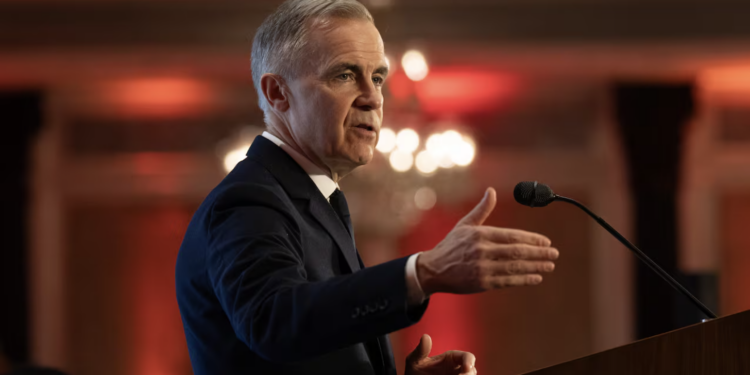
SYDNEY – Canadian Prime Minister Mark Carney has signaled a complex shift in Canada’s foreign policy, offering “regretful” support for military action in Iran while simultaneously spearheading a massive diplomatic and economic reset with India.
Speaking from Sydney during the second leg of his Indo-Pacific tour, Carney addressed the escalating conflict in the Middle East following weekend strikes by the U.S. and Israel. While he stood by the necessity of the strikes, his rhetoric underscored a growing frustration with the breakdown of traditional international diplomacy.
A “Grave Threat” and the Failure of Order
Carney was firm in his assessment of the Iranian regime, labeling it the “biggest exporter of terror in the world” and citing its role in the deaths of numerous Canadians. He dismissed claims that Iran’s nuclear ambitions were peaceful.
“Nobody has a civil nuclear programme that’s buried a mile beneath the desert,” Carney told reporters. “That is a threat.”
Despite this stance, the Prime Minister expressed deep reservations about how the conflict has unfolded. He criticized the U.S. and Israel for initiating military action without engaging the United Nations or consulting key allies like Canada.
“We do, however, take this position with regret,” Carney noted, “because the current conflict is another example of the failure of the international order.”
Mending Fences with Delhi
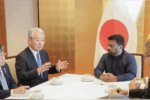
While the Middle East smolders, Carney is focused on rebuilding one of Canada’s most fractured bilateral relationships. His visit to the region follows a period of “frank” discussions with Indian Prime Minister Narendra Modi, aimed at moving past the diplomatic freeze triggered by the 2023 assassination of Hardeep Singh Nijjar.
Under Carney’s leadership, the tone toward Delhi has shifted from public accusation to pragmatic cooperation. A Canadian official suggested earlier this week that the government no longer believes Indian-linked violent crimes are occurring on Canadian soil, an assessment that has paved the way for a “landmark” nuclear energy deal and new partnerships in space, defense, and education.
| Security: Re-established dialogue between top defense and national security officials. |
| Nuclear Energy: A landmark deal to cooperate on civil nuclear power. |
| Key Pillars of the Canada-India Reset |
| Critical Minerals: New agreements to secure supply chains for the green economy. |
| Criminal Justice: Continued monitoring of cross-border extortion and security risks. |
Lingering Tensions
The pivot has not been without its detractors. Some members of the Canadian Sikh community have rejected the government’s updated security assessment, maintaining that threats persist despite Delhi’s denials.
Carney defended the engagement, arguing that high-level dialogue is the only way to ensure cooperation on security risks. “To engage, you have to be able to talk to countries where there have been issues,” he said, emphasizing that the dialogue is necessary to address concerns like extortion and cross-border criminal activity.
The Path Forward
Carney’s “regretful support” for the Iran strikes and his aggressive pursuit of an Indian partnership signal a Prime Minister attempting to balance Canada’s security imperatives with a desire to rebuild its reputation as a diplomatic bridge-builder. As the cases regarding the Nijjar killing remain before the courts in British Columbia, the world will be watching to see if this “landmark” reset can survive the weight of the past.