Can we brace for another major war?
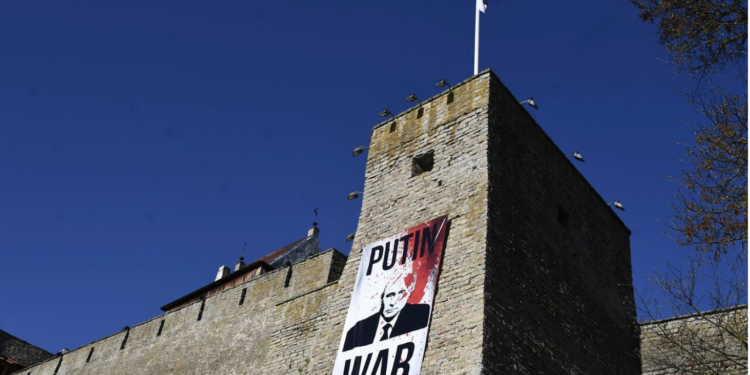
Is the world looming toward a crisis? Every day, we see press conferences, statements and counter-statements. We see the news, we see arguments over borders, and we can’t help but wonder: Is another world war coming? Is this the silence before the storm? Only time will tell.
The Fear of the Name
People are afraid to even whisper the words “World War Three.” It feels as though if we say it out loud, we might make it happen. So instead, we use comforting words like “tensions” or “issues” to make it sound less scary. It feels like we are hiding from reality.
We’ve all seen the old photos of what happened in the past, and we know that with the powerful weapons we have today, a new war would be much worse. It feels like we are all standing on the edge of a cliff.
A Crisis of Confidence
Things feel different lately because the “world organizations” that kept us out of trouble are starting to fail. We looked comfortable and somewhat safe because there were rules and promises made between countries. We trusted that leaders would act with responsibility and keep their word. But now, it feels like those promises, morals, and ethics are being broken.
We are watching a moment where the “rules of the game” are being ignored. When leaders stop talking and start contradicting and threaten each other, people get suspicious and scared. It feels as though some leaders have abandoned their own people. When nations feel the system won’t protect them, they start doing whatever they want, ignoring law and order. That usually leads to a mess that hurts everyone.
The Political Hunger for Conflict
Why does this happen? Often, the roots of war are found not on the battlefield, but in the halls of domestic politics. History teaches us that conflict is a convenient tool. When economies struggle or a leader’s popularity drops, the “rally ’round the flag” effect is like a powerful drug.
The need to look strong, to distract people from internal issues, or to secure a legacy can drive nations toward aggression. It is a tragedy that the safety of millions is often gambled for the political survival of a few.
Echoes of the Past: The Annexation Trap
One of the most worrying trends is the return of the “land-stealing mindset.” We thought the forcible taking of land was a relic of the past, but it has resurfaced. In the 1930s, the world watched as boundaries were redrawn by force.
To understand why this is dangerous, we have to look at the World Wars. The second World War, specifically, began with a land-grab that created utter devastation. Countries look to take land for dangerous reasons:
- Resources: Access to oil, energy, or ports.
- Buffer Zones: The paranoia that more land makes you safer from an “enemy.”
- National Pride: The misguided belief that a bigger map equals a greater nation.
When we see nations eyeing the territory of others today, it triggers a warning light. It suggests we haven’t learned the most crucial lesson: altering borders by force never creates lasting peace; it only plants seeds of endless suffering for future generations.
The Role of Peacekeepers
So, where are the peacekeepers? This is why the United Nations (UN) was created. It was born from the ashes of WWII to save future generations from war. But currently, these organizations seem confused. They are often paralyzed by bureaucracy, finances, or the veto power of a few nations.
Is hope running out? It might be too early to say. The UN is still the only place where leaders can sit at the same table without shooting. If it is failing, the answer isn’t to walk away, but to fix it. We need a global commitment to give these bodies the power to actually maintain peace, rather than just observing and delivering speeches.
Choosing Harmony
Can the world get ready for another major war? For some world leaders yes. But why? Unlike a storm or an earthquake, war isn’t a natural disaster—it is a choice that people make.
To fix this, we need leaders who are brave and humble enough to choose talking over fighting. They need to respect one another, even when they disagree. We also need regular people to keep asking for peace, and we need the media to tell the truth instead of just making people angry.
The world feels like a piece of glass right now—it could break easily. But that means we have to handle it with extra care. If we look back at history, we can see the mistakes made before things got out of hand. We can learn where the line is and choose not to cross it. In the end, the goal isn’t for one side to win; the real victory is when we all choose humanity over our own urge to destroy.
“All we are saying is give peace a chance.” — John Lennon