Navigating the End of Your Stay: A Guide for Temporary Residents in Canada
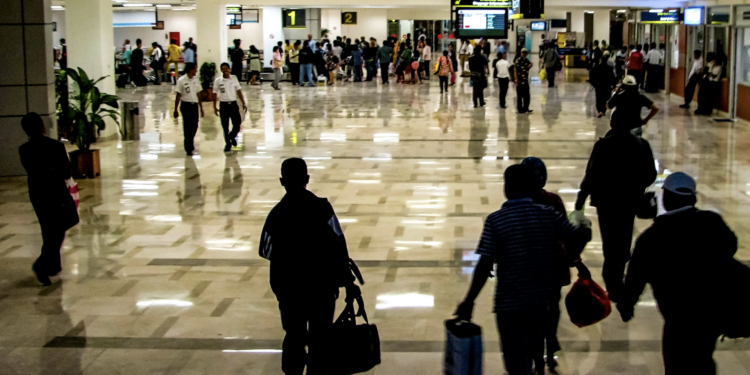
Canada has long been a top destination for students and workers worldwide. However, recent shifts in immigration policy have made it more important than ever for temporary residents to understand their obligations. As the federal government moves to tighten its oversight and reduce the overall number of temporary residents, staying informed about expiry dates and departure protocols is essential to avoiding legal complications.
The Importance of the “Must Leave By” Date
Every temporary resident whether on a study permit, work permit, or visitor visa is given a specific date by which they must depart Canada. This date is usually aligned with the expiry of your permit. It is not a suggestion; it is a legal requirement. Remaining in the country even one day past this date without having applied for an extension can result in losing your legal status.
New Policy Landscape: Tracking and Reductions
The Canadian government is currently undergoing a significant shift in how it manages temporary migration. Two major updates are reshaping the experience for residents:
- Population Targets: Canada aims to reduce the proportion of temporary residents in the national population from the current 7.3% down to 5% by 2027. This means fewer permit renewals and stricter criteria for new applicants.
- Enhanced Tracking: As of May 2026, the government has implemented advanced systems to track the departures of temporary foreign residents. Authorities are now more effectively monitoring whether individuals actually leave the country once their permits expire.
- In-Country Applications: Since August 28, 2024, visitors are no longer permitted to apply for an initial work permit from within Canada, closing a previously popular pathway.
What Happens if You Stay Too Long?
If your permit expires and you haven’t left, you may be issued a Departure Order. This order gives you exactly 30 days to leave the country and confirm your departure with the Canada Border Services Agency (CBSA). If you fail to comply within that month, the order automatically upgrades to a Deportation Order, which carries much more severe, often permanent, consequences for future travel to Canada.
Extension and Restoration of Status
If you wish to stay longer, you must apply to extend your status before your current permit expires. If you miss that window but wish to stay, you have a 90-day grace period to apply for a “restoration of status.” During this 90-day period, you are in Canada legally but are generally prohibited from working or studying until your status is officially restored.
Final Steps: Taxes and Documentation
Leaving Canada isn’t just about catching a flight; it involves wrapping up your legal and financial presence.
- Tax Obligations: You must determine your residency status for tax purposes. If you are leaving permanently, you may need to file Form NR73, Determination of Residency Status (Leaving Canada), to ensure the Canada Revenue Agency (CRA) correctly calculates any final taxes or credits.
- Future Returns: Leaving on time preserves your “good standing.” If you hold a valid Temporary Resident Visa (TRV), you may be able to return in the future, provided you still meet all entry requirements at that time.
Summary Checklist
To ensure a smooth transition, keep these tips in mind:
- Check your documents: Always know your “Must leave Canada by” date.
- Plan ahead: If you intend to stay, start extension paperwork months in advance.
- Respect Departure Orders: If issued an order, leave within the 30-day window to avoid deportation.
- Settle your taxes: File the necessary forms to avoid future financial surprises.
By following these guidelines, you can ensure that your time in Canada concludes on your own terms, leaving the door open for potential future visits or immigration opportunities.