Sri Lanka Unveils Historic Rs. 10 Million Compensation Plan for Families Who Lost Homes and Land

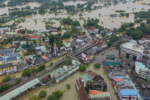
Colombo, Sri Lanka – In one of the most sweeping post-disaster compensation announcements in Sri Lanka’s recent history, President Anura Kumara Dissanayake on Monday unveiled a massive relief package offering up to Rs. 10 million for families who lost both their homes and the land beneath them in the recent floods and landslides that devastated multiple districts.
Delivering an extended address during the final day of the Third Reading Budget Debate, the President described the relief framework as “the largest relief umbrella ever extended to disaster-affected Sri Lankans.” The budget vote later passed with an overwhelming 158 votes in favour, and only one against.
An Unprecedented Relief Architecture
President Dissanayake told Parliament that the Government’s aim was not merely restoration, but elevation to lift affected citizens “to a higher and safer footing” rather than return them to conditions that left them vulnerable.
A major departure from traditional disaster relief policy, even families experiencing only minor property damage “even if a roof tile has blown off,” he said will receive Rs. 1 million.
Major Allocations and Rapid Mobilisation
The President detailed an expansive list of financial commitments already released or approved:
- Rs. 40 billion for national and provincial road rehabilitation
- Weekly dry-ration allowances increased from Rs. 3,200 to Rs. 8,400 for a four-member family
- Larger households to receive Rs. 10,500 per week, nearly triple the previous amount
- Rs. 72.2 billion allocated for immediate relief over 25 days, supported by supplementary estimates
- District Secretaries authorised to spend Rs. 10.5 billion immediately
He stressed that the Government would not raise debt ceilings to fund the programme.
Support for Flooded Households
Every household affected by floodwater intrusion will receive:
- Rs. 25,000 for compulsory cleaning and disinfection
- Rs. 50,000 for essential furnishings and necessities, regardless of tenure status
A circular authorising these payments, the President confirmed, has already been issued.
Temporary Relocation: Six Months of Assistance
Families displaced by landslides or total destruction will be supported with:
- Rs. 25,000 per month for accommodation, initially for three months, with the intention to extend to six
- Eligibility applies to families in shelters, rented accommodation, or those seeking alternative temporary housing
Livelihood Assistance for Affected Families
Income-disrupted households will receive:
- Rs. 50,000 per month for three months for families of more than two members
- Rs. 25,000 per month for two-member households
This applies whether families remain in camps or return to temporary residences.
Agriculture: Major Boost to Compensation Rates
With approximately 160,000 hectares of paddy affected, the Government intends to replant “every last hectare,” offering:
- Rs. 150,000 per hectare for paddy, maize, and grain farmers
- Rs. 200,000 per hectare for vegetable cultivation
- Rs. 200,000 for registered livestock farms
Small Enterprises and SMEs: Rebuilding the Economic Base
Registered micro and small businesses destroyed by the disaster will receive:
- Rs. 200,000 to restart economic activity
Additionally, the Rs. 80 billion already allocated for SMEs in the national budget will be reprioritised for recovery and rebuilding. Negotiations are underway with banks and insurers for payment holidays and restructuring options.
Fisheries Sector: Rs. 400,000 per Damaged Boat
Any registered fishing vessel rendered unusable will be eligible for Rs. 400,000, aimed at rapidly restoring livelihoods in coastal districts.
Support for Schoolchildren
With nearly 300,000 schoolchildren affected, the Government announced:
- Rs. 25,000 for uniforms, books, shoes, and essentials
- An additional Rs. 15,000 from the Treasury
- Rs. 10,000 from the President’s Fund
Students receiving Aswesuma benefits will have these grants on top, totalling Rs. 31,000.
Housing and Infrastructure: New Compensation Thresholds
Totally Destroyed Homes
- Rs. 5 million for full reconstruction
Home and Land Lost
- Up to Rs. 10 million, comprising:
- Rs. 5 million for a new house
- Rs. 5 million for new land, or allocation of State land
Partial Damage
Four compensation tiers:
- Rs. 1 million
- Rs. 1.5 million
- Rs. 2 million
- Rs. 2.5 million
Even minor damage qualifies for Rs. 1 million.
Families of the Deceased
- Rs. 1 million each
Commercial Premises
- Up to Rs. 5 million per damaged building
Tight Restrictions on Rebuilding in High-Risk Zones
The President issued a firm ban on reconstruction in unsafe terrain, including:
- Steep slopes
- Reservoir bunds
- Riverbanks
- Any officially designated hazardous area
He urged the Opposition not to politicise relocation efforts, calling the initiative “a national duty.”
Long-Term Strategy: Reforesting Hilltops Above 5,000 Feet
Highlighting severe siltation with some reservoirs losing 40–50% of capacity the President announced an ambitious plan to reforest high-altitude regions to prevent erosion and mitigate future flooding.
Overall Cost: Rs. 72.2 Billion in 2025, Rs. 500 Billion in 2026
The Government plans to mobilise:
- Rs. 72.2 billion for immediate post-disaster relief in 2025
- Rs. 500 billion for long-term recovery in 2026
President Dissanayake’s 90-minute address, one of the most detailed disaster-recovery briefings in recent years, outlined not just compensation but a sweeping attempt to rebuild, relocate, and climate-proof entire communities in the wake of unprecedented devastation.