A Bold Step Toward a Brighter Future: Applauding Sri Lanka’s Transformative Education Reform
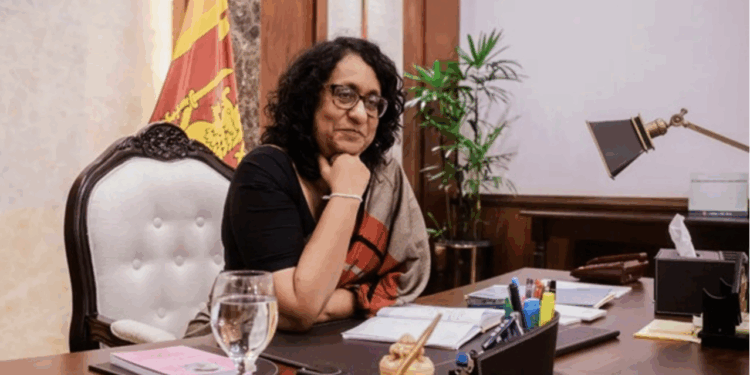
Sri Lanka stands at a pivotal moment in its history. Under the visionary leadership of Prime Minister and Education Minister Dr. Harini Amarasuriya, supported by President Anura Kumara Dissanayake, the nation is embarking on a bold and inclusive transformation of its education system. This is not merely a policy change, it is a comprehensive societal commitment to nurturing the minds and futures of Sri Lanka’s children.
What sets this reform apart is its deeply humanistic and forward-looking foundation. Dr. Amarasuriya’s declaration that the current education system fails to instill hope in its students speaks volumes. For too long, children have completed their schooling burdened by rote learning, narrow academic metrics, and a sense of uncertainty. This reform aims to flip that narrative entirely, to replace fear and fatigue with confidence, joy, and a sense of purpose.
A Vision for All of Sri Lanka’s Children
Central to this reform is the idea of equity across regions. In a country where resources and opportunities can be unevenly distributed, this focus is both necessary and commendable. “Every region matters,” Dr. Amarasuriya said, underscoring the intention to uplift underserved and remote communities with access to digital tools, adequate sanitation, innovation labs, sports facilities, and more. True national development begins with ensuring every child, regardless of geography, has an equal chance to thrive.
Beyond Academics: Nurturing Whole Human Beings
Another praiseworthy pillar of this initiative is the emphasis on producing well-rounded individuals. Sri Lanka’s future does not rest solely on exam scores, it depends on citizens who are adaptable, ethical, skilled, and inspired. By calling for a shift toward child-friendly classrooms and practical, multidisciplinary learning, this reform recognizes the diverse talents and aspirations of the next generation. Doctors, engineers, entrepreneurs, and artists must all be equally valued and nurtured.
A Collective Effort: Everyone Has a Role
Perhaps the most inspiring element of the reform is its collective ethos. “This is not my reform… this is Sri Lanka’s education reform,” Dr. Amarasuriya emphasized. By calling on teachers’ unions, academics, parents, and the general public to engage in ongoing dialogue and feedback, the initiative reinforces that true transformation requires shared ownership. It is an open call to civil society: step forward, take part, and help shape the nation’s educational future.
A Phased, Thoughtful Rollout
Implementation is set to begin in 2026, starting with Grades 1 and 6. This phased approach shows wisdom and restraint, ensuring that change is meaningful, manageable, and avoids the pitfalls of hurried execution. Such a methodical rollout can help build momentum and trust among educators and families alike.
Empowering Girls, Building Future Leaders
The Prime Minister’s remarks at the recent Presidential Girl Guide Awards Ceremony further highlight her commitment to youth empowerment, particularly female leadership. By acknowledging the Sri Lanka Girl Guides Association’s century-long work in nurturing strong, capable girls, Dr. Amarasuriya reinforces the need for inclusive, gender-conscious development. In a world where female leadership is still undervalued, this recognition is both timely and essential.
A New Chapter Begins
This reform is not just about curriculum or infrastructure, it is about redefining what it means to educate a child in Sri Lanka. It envisions classrooms where creativity flourishes, rural schools that rival urban ones in opportunity, and a society where all children, regardless of gender or geography, are supported to reach their fullest potential.
If Sri Lanka truly embraces this reform as a national mission, the rewards will be lasting and profound. As Dr. Amarasuriya so powerfully concluded, “Let us work together, for the sake of our children.” There could be no greater cause.