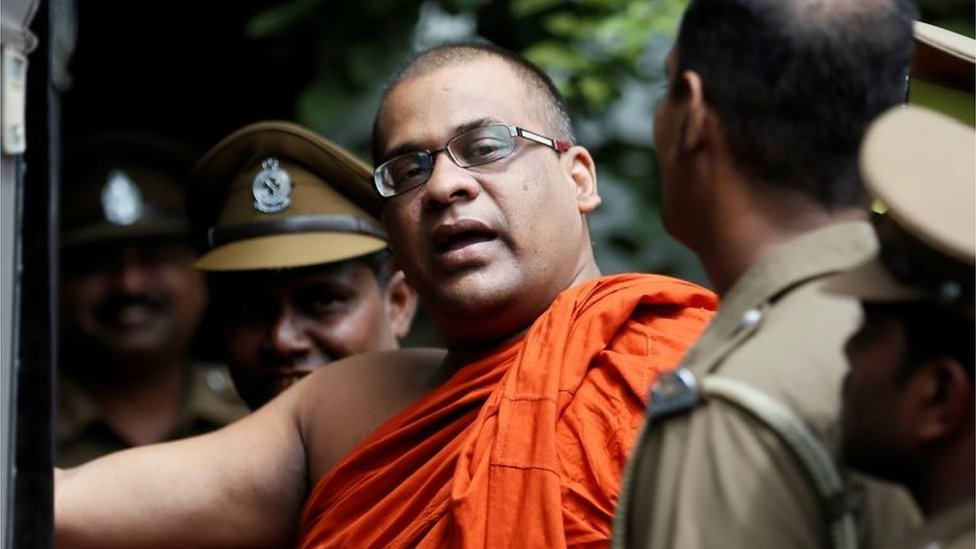
Top Prisons Official Arrested Amid Vesak Pardon Scandal: A Test for President Dissanayake’s Anti-Corruption Drive
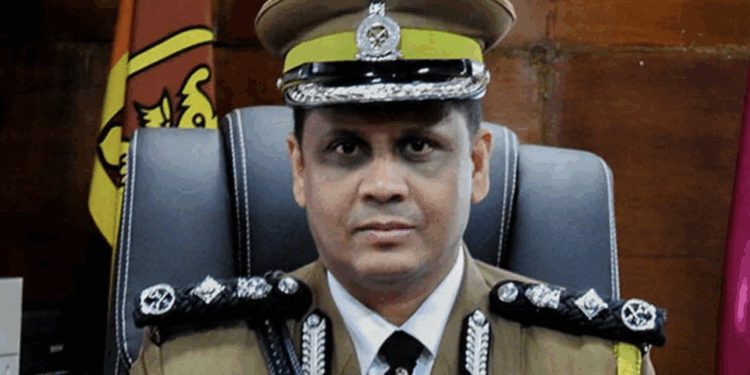
In a high-profile development that has sent shockwaves through Sri Lanka’s justice system, Commissioner General of Prisons Thushara Upuldeniya has been arrested by the Criminal Investigation Department (CID). The arrest follows his suspension and forced leave, triggered by allegations of an illegal prisoner release under this year’s Vesak pardon.
Police confirmed the arrest earlier today, which follows a decisive move by the Cabinet, chaired by President Anura Kumara Dissanayake, to remove Upuldeniya from duties pending the outcome of a formal investigation.
Vesak Pardon: A Sacred Tradition, Now Politically Fraught
The Vesak pardon has historically been seen as a compassionate gesture coinciding with one of the most sacred dates in the Buddhist calendar, commemorating the birth, enlightenment, and passing away of the Buddha. In practice, it has meant that selected inmates, typically those with good behavior and nearing the end of their sentences, are granted early release.
However, this tradition has increasingly come under scrutiny. Critics argue the pardon process has been vulnerable to political influence, favoritism, and procedural lapses.
“This incident exposes a longstanding problem in the way presidential pardons are handled,” said Dr. Pradeep Perera, senior lecturer in criminal justice at the University of Colombo. “We lack a transparent framework for these decisions. The process must be depoliticized if it is to maintain public trust.”
Sources close to the investigation report that at least one high-profile prisoner may have been released without proper legal review, raising alarms within both the legal and political communities.
A President’s Pledge on Trial
President Anura Kumara Dissanayake, who came to power on an anti-corruption and governance reform platform, now finds one of his administration’s first serious integrity tests squarely in the public eye.
“This is not just about one official,” said Dr. Apsara Gunawardene, a constitutional lawyer and policy analyst. “It’s about whether this administration is serious about dismantling the culture of impunity. The president has set the right tone, now the legal system must follow through.”
While President Dissanayake has not commented directly on the case, he has reiterated in recent public remarks that “no one is above the law, not politicians, not bureaucrats, not even those entrusted with justice itself.”
His government has since launched a review of all pardons issued under both the current and previous administrations.
Institutional Reform on the Horizon?
As the CID continues its investigation, several other senior officials in the Prisons Department and Justice Ministry are reportedly being questioned. Legal experts are calling for urgent structural reforms.
“We need a statutory process for presidential pardons, something with parliamentary oversight or at least a multi-agency review panel,” argued Justice (Retd.) Nishantha Jayatilleke, a former Appeals Court judge. “This cannot be left to the whims of politics or closed-door decisions.”
Human rights organizations have also weighed in, emphasizing the need to preserve the spirit of Vesak amnesty while ensuring legal integrity. “Rehabilitation should never be compromised by favoritism,” said Anoma Fonseka, director of the People’s Legal Aid Collective. “This case could be a turning point, if we use it to clean up the system.”
Looking Ahead
For now, Thushara Upuldeniya remains in CID custody as investigators prepare to submit preliminary findings to the Attorney General’s Department. His legal team has yet to make a public statement, though sources suggest he may seek bail in the coming days.
As the nation watches closely, the Vesak pardon scandal is poised to become more than just a legal affair, it may be the first real test of how far President Dissanayake’s government is willing to go to deliver on its promises of clean governance and institutional integrity.